Ingredients
What is Shilajit? Origins, composition and uses
A mineral resin born in the rocks of the Himalayas, Shilajit has been used for more than 3,000 years. Here's what it really contains.
By the Valterra team · 1 October 2026 · 6 min read
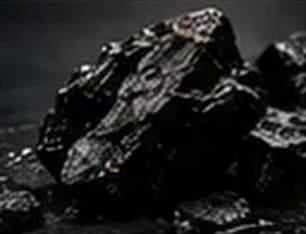
During the hottest months, a dark, sticky substance slowly seeps from rock crevices in the Himalayas, between 1,000 and 5,000 metres above sea level. Locals call it Shilajit — literally "conqueror of mountains" in Sanskrit. Used for more than three millennia in Ayurvedic medicine, it is enjoying renewed interest around the world.
How is Shilajit formed?
Shilajit is the result of the very slow decomposition, over centuries, of plant matter (mosses, lichens, plants) trapped between layers of rock. Under pressure and changing temperatures, this matter turns into a resin rich in organic compounds and minerals.
What does it contain?
Composition varies with origin, but you'll mainly find:
- Fulvic acid, its signature compound, said to make up 15 to 20% of purified resin;
- Minerals and trace elements — more than 80 have been identified, including iron, zinc, magnesium and copper;
- Dibenzo-alpha-pyrones (DBPs), compounds studied for their role in cellular energy metabolism;
- Humic acids and various phenolic compounds.
Traditional uses
In Ayurveda, Shilajit is classed among the rasayana — substances believed to promote vitality and longevity. It was traditionally used to fight fatigue, support physical vigour and aid recovery.
Why purification matters
In its raw state, Shilajit can contain impurities, heavy metals or mycotoxins. Only purified, lab-tested Shilajit should be consumed. That's why the Shilajit in our gummies is purified and then checked by an independent third-party lab.
What the research says
Several clinical studies have looked at purified Shilajit, particularly on muscle fatigue and energy. We cover them on our Science page and in the article Shilajit and energy: what the science says.
Shilajit isn't a miracle cure: it's an ally that fits into an overall healthy lifestyle — sleep, nutrition, movement.
This article is for information only and does not replace the advice of a healthcare professional. Food supplements are not medicines and are not intended to diagnose, treat, cure or prevent any disease.
Keep reading
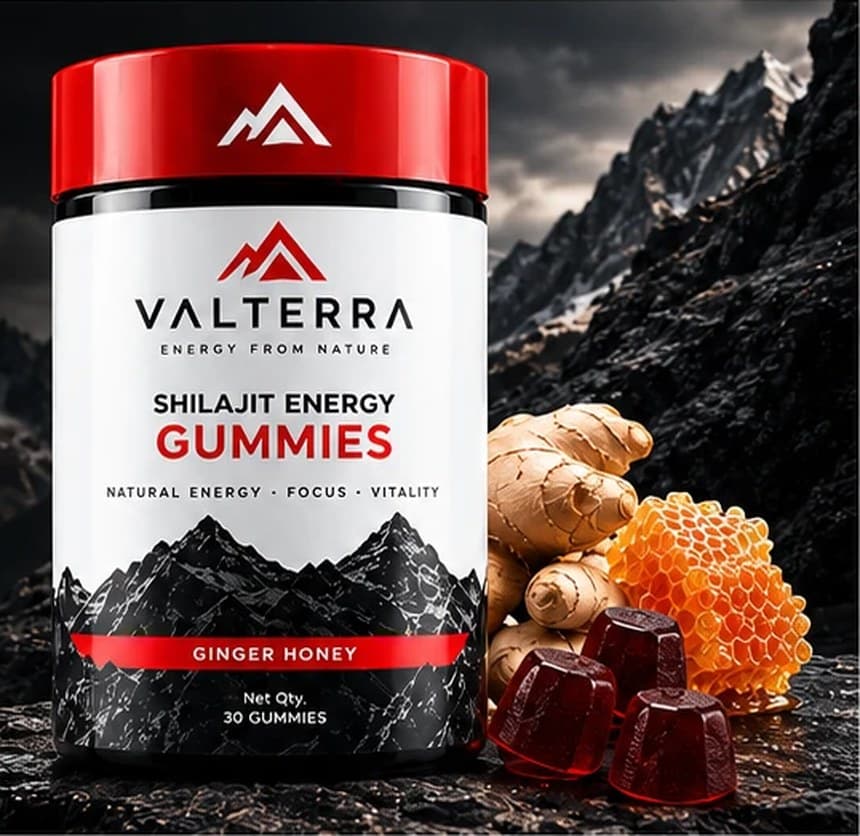 Science
8 October 2026 · 7 min read
Shilajit and energy: what the science says
Muscle fatigue, mitochondria, fulvic acid… We review the available clinical studies, with their strengths and limitations.
 Ingredients
24 September 2026 · 5 min read
Ashwagandha: the adaptogen that helps you manage stress
A star of Ayurveda, ashwagandha is one of the best-studied adaptogens. How does it work, and why pair it with Shilajit?
 Ingredients
15 September 2026 · 4 min read
Ginger and honey: an ancestral duo
More than a flavour: ginger and honey have been used together for centuries. Why did we choose them?